
1.LET’S START – Introduction
Everyone select one piece of lego with shape and color

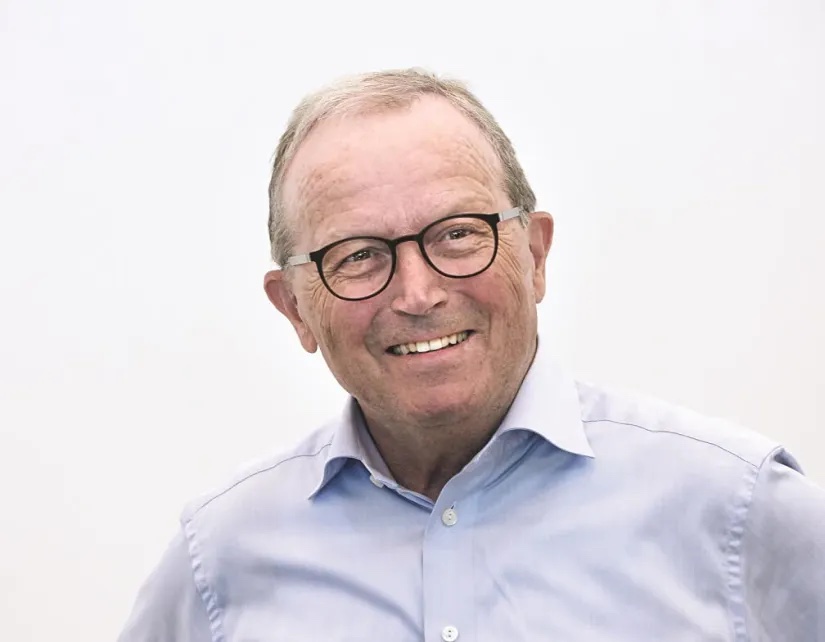
Kjeld Kirk Kristiansen
Former CEO of LEGO Group and grandson of the founder who enabled the creation of LSP by supporting the collaboration with academia.

Robert Rasmussen
Former Director of R&D at LEGO Education. Developed the facilitation model and training system that made LSP a structured, repeatable methodology used worldwide.
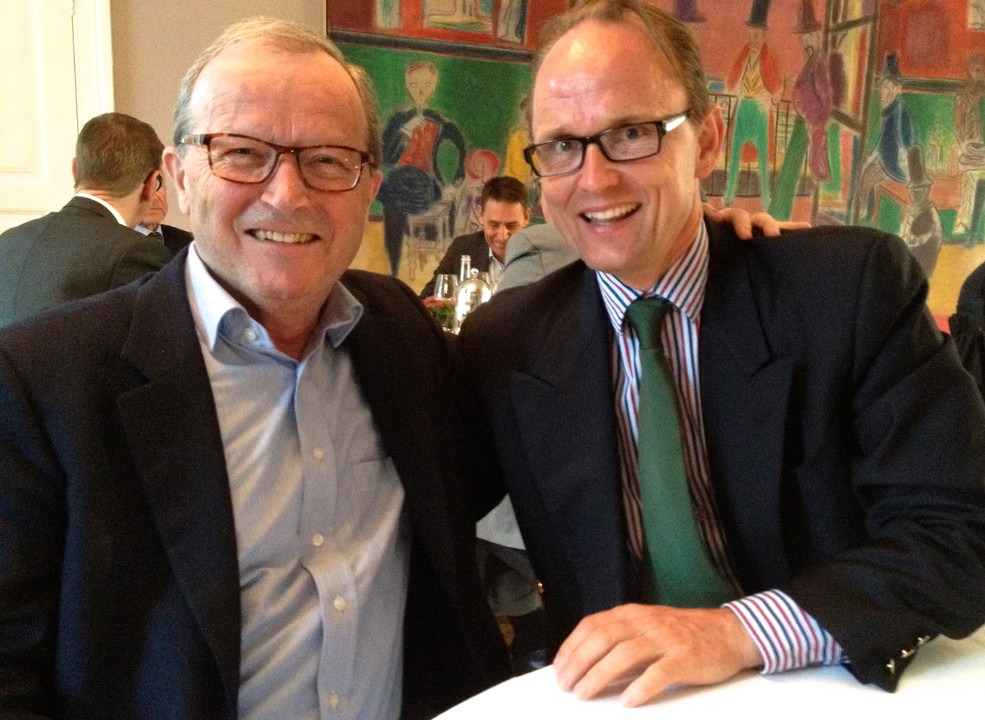
Johan Roos & Bart Victor
Co-creators of the original concept. Johan Roos, Swedish professor of strategy, and Bart Victor, American professor of management. Their research at IMD Business School in the 1990s laid the theoretical foundation for LSP as a tool for innovation and leadership. They were exploring new ways to help leaders think more creatively and engage teams in deeper strategy work. They believed that using LEGO bricks could unlock new insights by making abstract ideas visible and shareable.
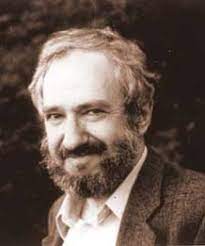
Seymour Papert
a South African-born American mathematician, computer scientist, and educator. Researcher at MIT and AI pioneer who introduced constructionism: the belief that learning is most powerful when building something meaningful like a story, a model or a project to be seen and shared.
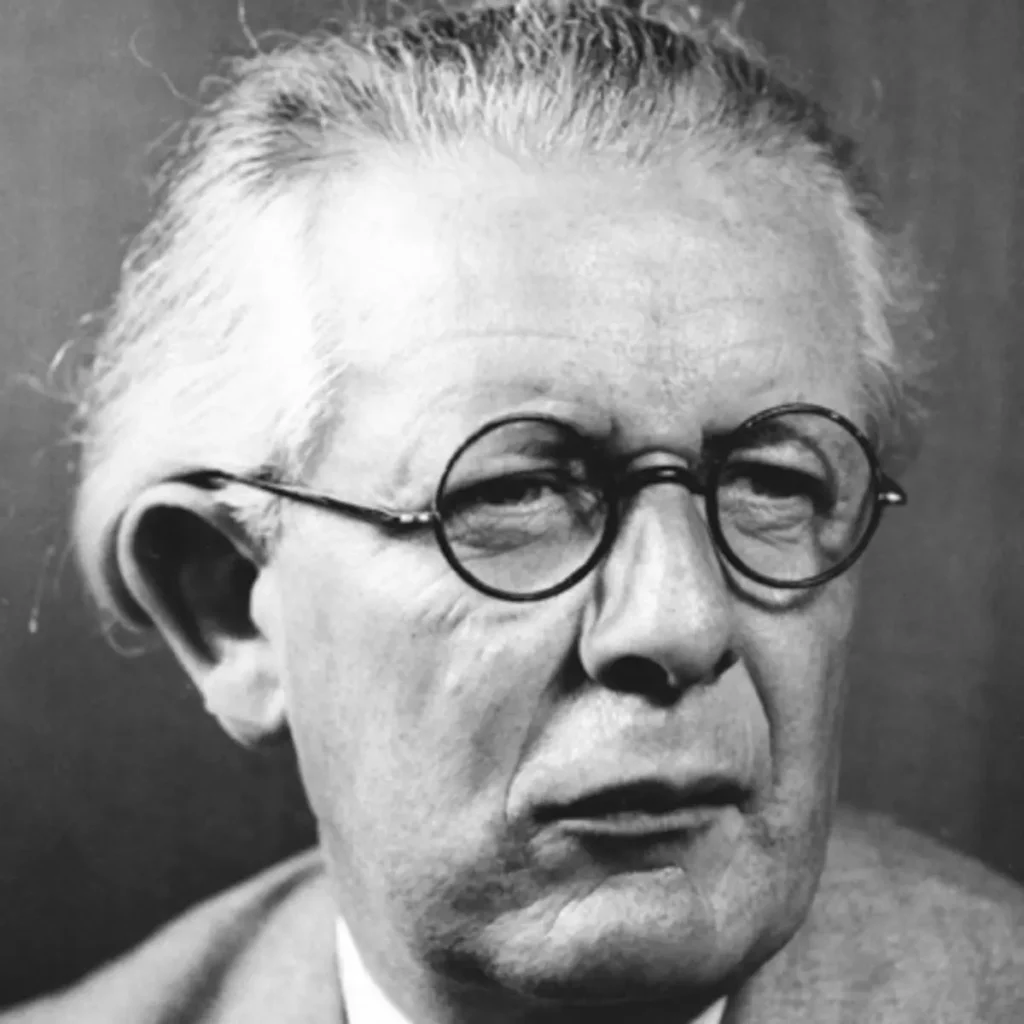
Jean Piaget
a Swiss psychologist and pioneer in development psychology, best known for his theory of cognitive development. He laid the foundation of constructivist learning theory, emphasizing the importance of learning through experience and interaction.
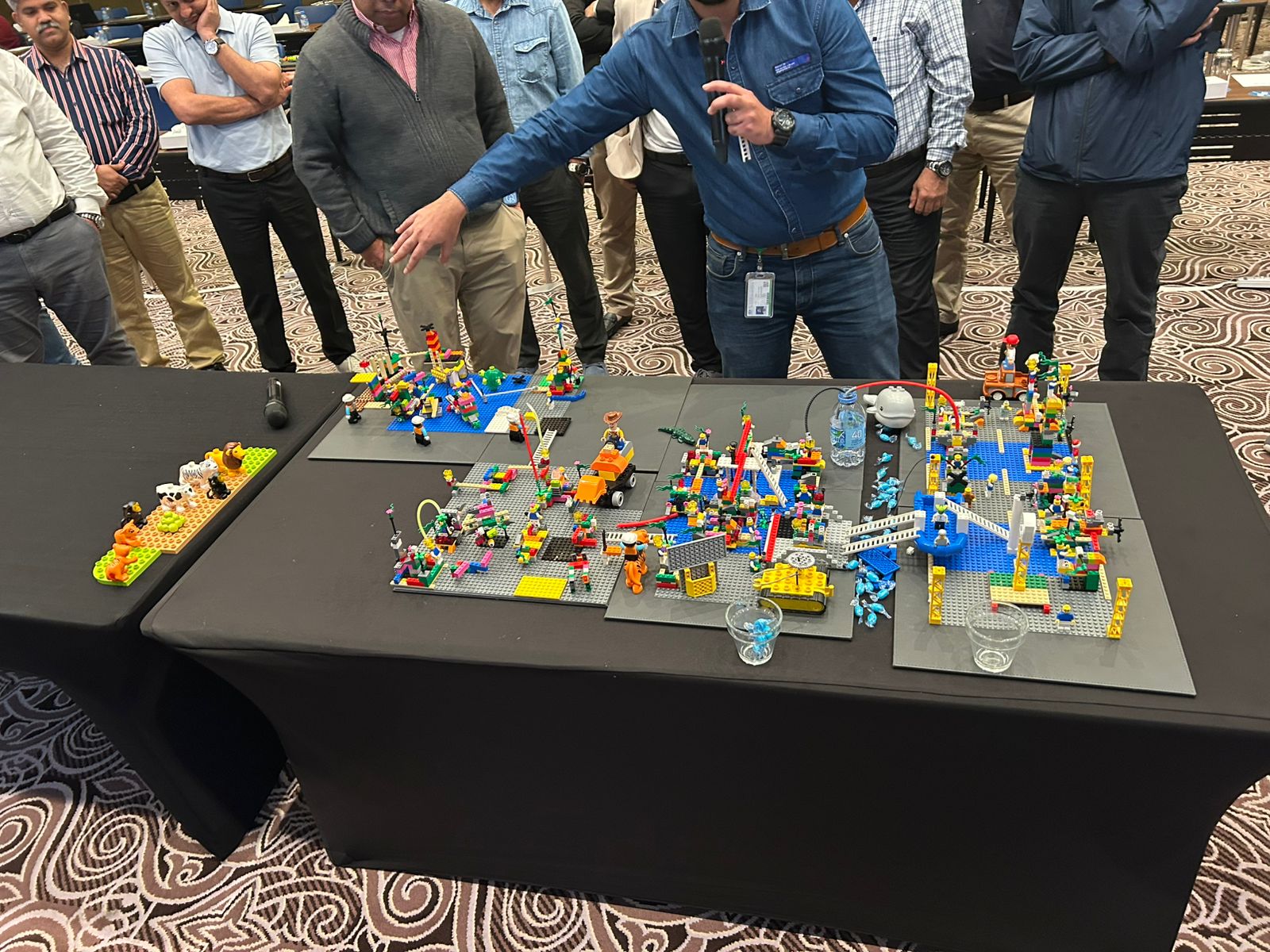
 LEGO® SERIOUS PLAY® (LSP) is a facilitated methodology for thinking, communication, and problem-solving, designed to enhance innovation and organizational performance. It leverages the power of LEGO bricks to unlock creativity and foster open dialogue by building 3D models that represent ideas, experiences, and solutions. This hands-on, minds-on approach is rooted in key learning theories that encourage deep reflection, team alignment, and shared understanding.
Constructivism: A theory of learning that suggests individuals construct knowledge by actively engaging with the world. “Learning happens in the mind, through doing and thinking.” LSP embraces this by encouraging participants to build their own understanding through guided experience.
Constructionism: An extension of constructivism that emphasizes learning through the creation of tangible artifacts that can be shared and reflected upon. “Learning becomes meaningful when we make something we can see and discuss.” LSP translates this into physical models that represent thoughts and ideas.
Imagination A core dynamic of the LSP process. Participants are invited to explore beyond the obvious by giving shape to abstract concepts and future scenarios. Imagination in LSP operates on three levels:
Descriptive – representing current realities
Creative – generating new possibilities
Challenging – questioning assumptions and reimagining what could be
Identity: In LSP, identity is expressed through the models we build.
It’s about articulating “who I am” with bricks and then connecting those stories with others to build mutual understanding and collective insight.